Double the Passion, Double the Possibilities: A Music Student's Guide to Double Majoring
Explore how combining music with another field can open doors to exciting career opportunities.
Read More
Accoladi.com is for performing arts students and their families. We connect student artists with the opportunities they deserve.
We also support collegiate and summer enrichment recruiters, music teachers, and fine arts directors. To make sure everyone finds the right home, we've created dedicated websites for each community:
Students and parents: this is your home base, so please continue registering here on Accoladi.com.
Everyone else: begin your journey at the site tailored to your role.
From educators, performers, and industry insiders who got tired of hearing “music isn’t a real career” and decided to answer with Broadway box-office receipts, royalty checks, and Grammy paydays.
.png) ARTICLE GLOSSARY
ARTICLE GLOSSARY
Start your college journey with confidence!
Browse our library of helpful articles and directories made just for performing arts students and their families. Whether you're choosing a school, planning campus visits, preparing for auditions, applying for scholarships, or getting ready to submit applications—this is your go-to place for everything college.


Explore how combining music with another field can open doors to exciting career opportunities.
Read More
Get ahead in your music education journey with strategic dual enrollment opportunities.
Read More.jpg)
Discover proven strategies to build meaningful relationships with college music departments before you apply.
Read More.jpg)
From Baroque to modern, fast to lyrical—contrasting solos reveal a musician's full range in college auditions.
Read More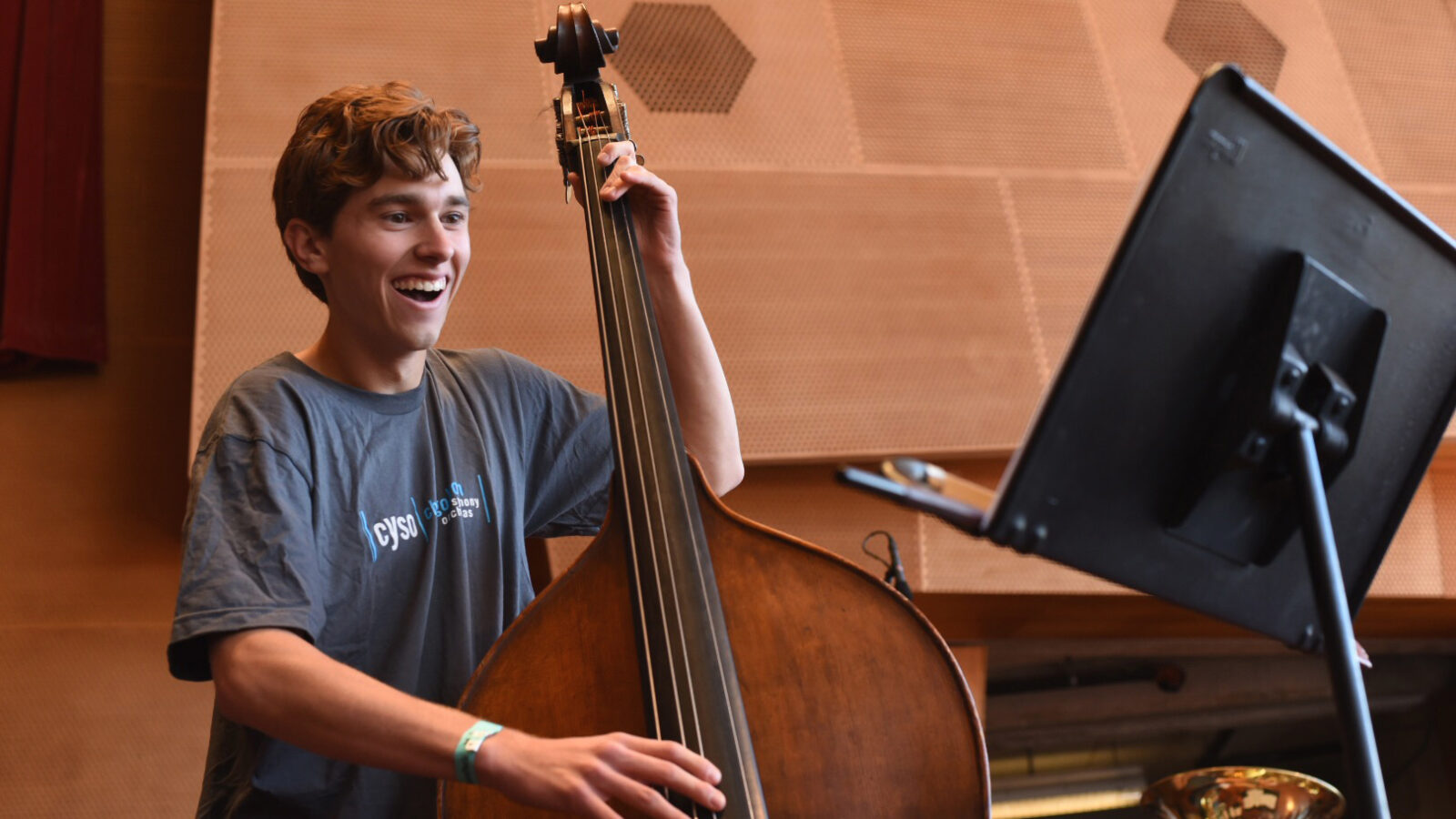
Discover why mastering just a few bars of music can make or break an audition and reveal your potential.
Read More.jpg)
Make a great first impression with proper college visit etiquette and smart questions.
Read More
A comprehensive roadmap to navigate the music school application and audition process successfully.
Read More.png)
Sometimes the smallest gestures-like a simple thank-you -- open the biggest doors. Discover how one note of gratitude changed everything.
Read More
Discover how college fairs tailored for music students can open doors to top programs and help you make meaningful connections before you ever audition.
Read More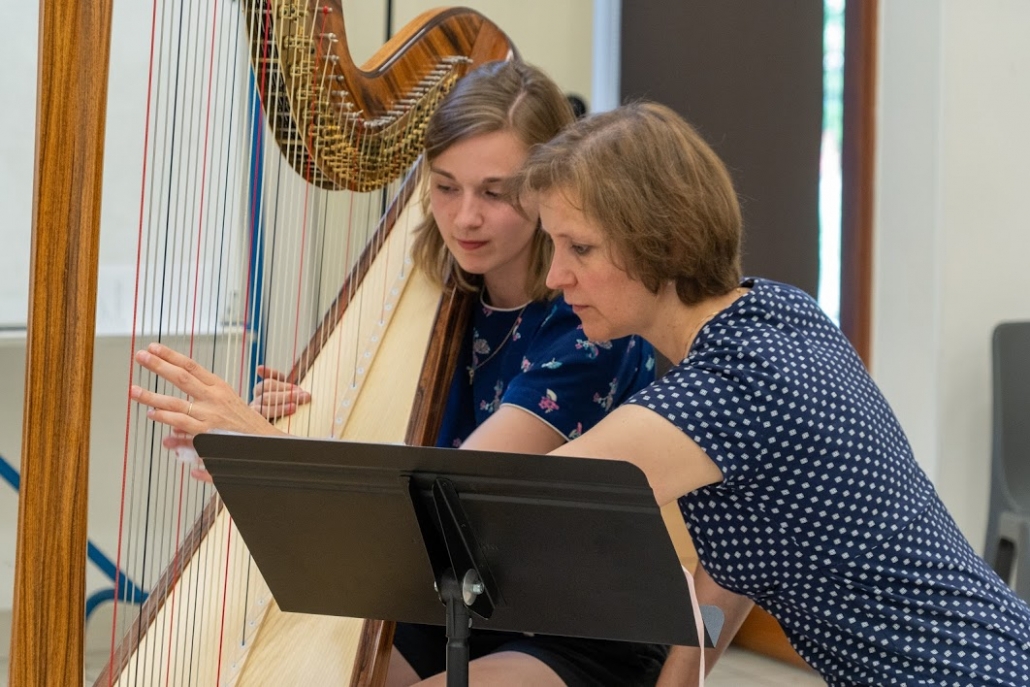
Private music lessons do more than sharpen skills — they unlock opportunity. Discover how one-on-one instruction builds confidence, hones performance, and opens doors to college auditions and scholarships.
Read More
Packed with proven strategies, expert insights, and inspiring real-life stories, it empowers musicians to turn performance anxiety into confident, expressive auditions.
Read More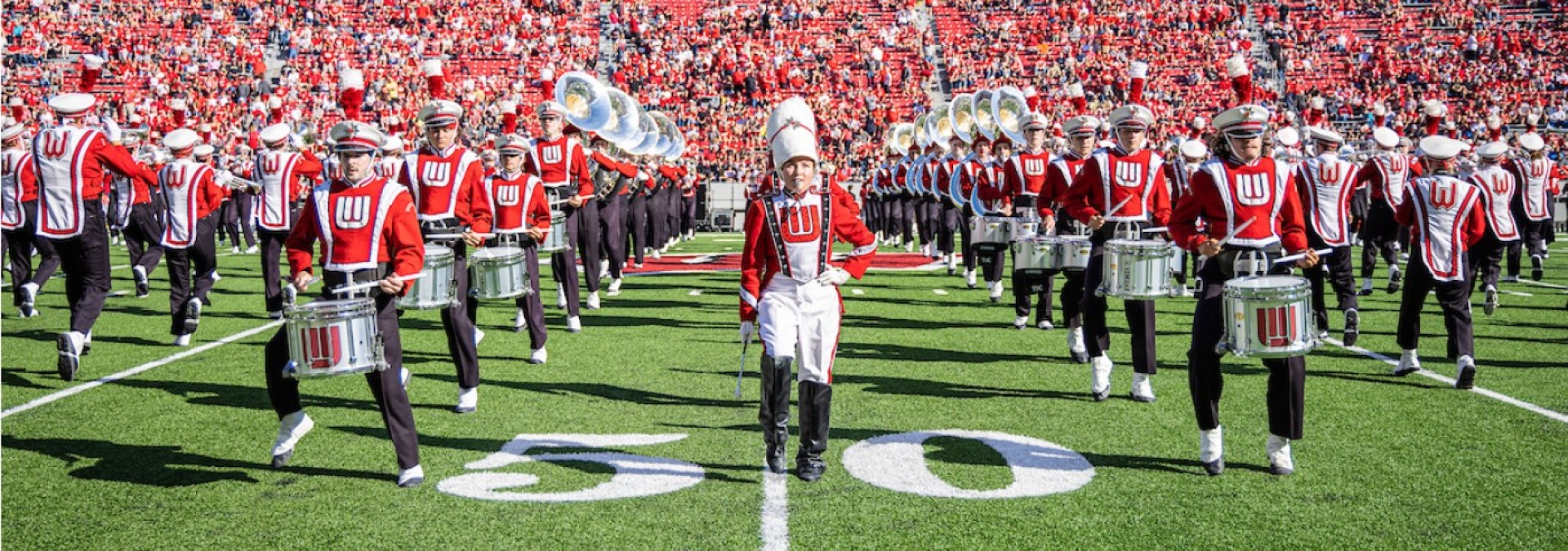
Discover how marching band can do more than make music—it can open doors to scholarships, leadership roles, and life-changing opportunities.
Read More.jpg)
Where nerves meet opportunity, growth begins. Discover how one powerful experience can elevate your student’s talent—and their college application.
Read More.png)
Professors don't just admit talent—they choose students they won't mind teaching every Tuesday morning before coffee, touring Europe with next spring, and introducing to their colleagues without bracing themselves first.
Read More
Think a music degree is out of reach because of cost? Think again. Whether you're aiming for college scholarships or exploring grants from arts organizations, this guide helps you uncover the many ways to fund your passion — and shows why applying early and often is the key to making your musical dreams a reality.
Read More
From nerves to notes, this guide helps student musicians face audition day with clarity, confidence, and control.
Read More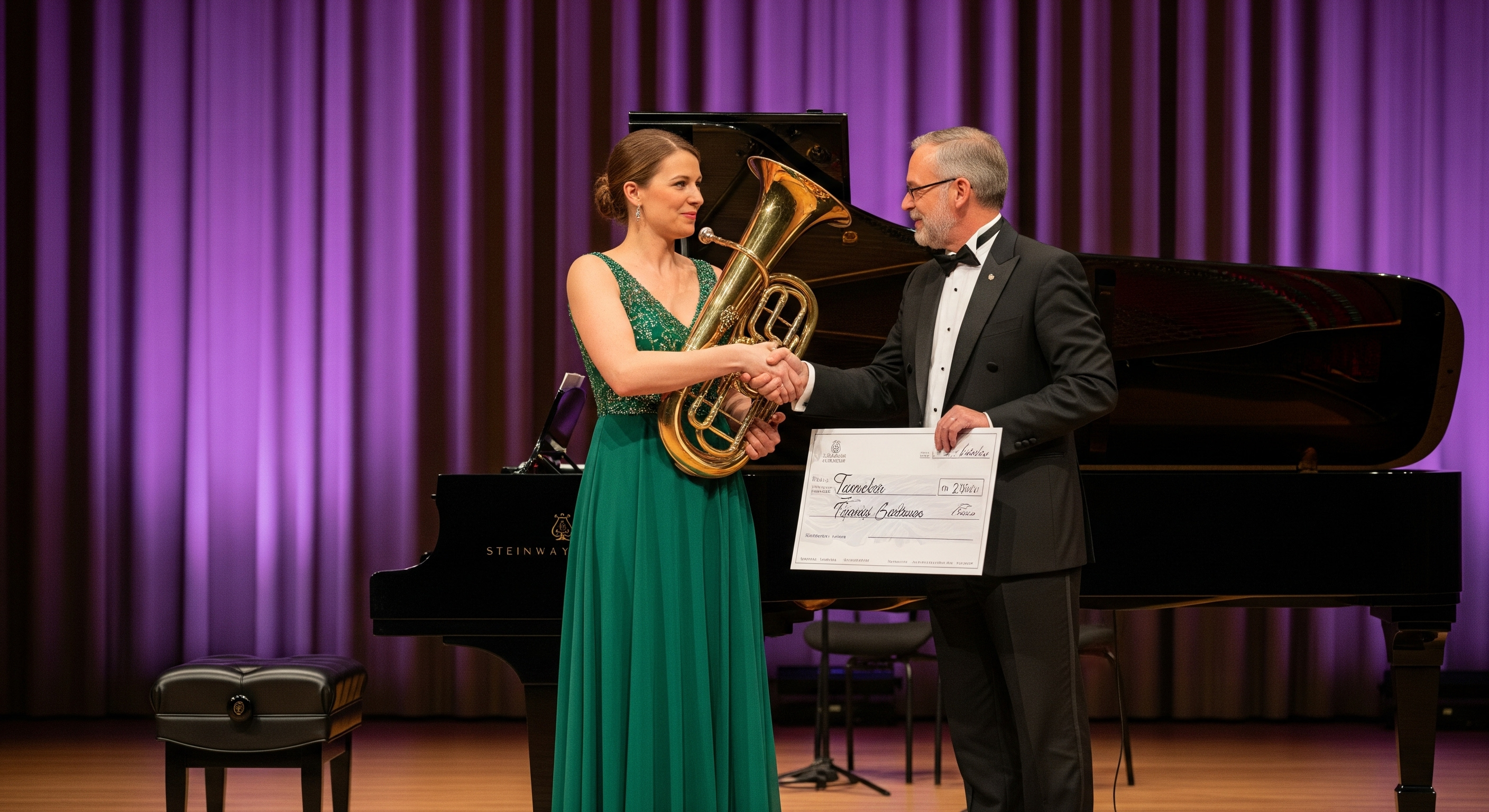
Shedding light on the financial freedom performing arts students deserve—and the billions in performing arts scholarships many never knew existed
Read More
Talent is just the beginning. Learn how the right moves today—owning your child’s UTL name, building their brand, and shaping their story—can set your young performing artist on a path to lasting stardom.
Read More
Talent is just the beginning. Learn how the right moves today—owning your child's UTL name, building their brand, and shaping their story—can set your young performing artist on a path to lasting stardom.
Read More
From first solo to final audition—how a carefully curated repertoire list becomes a student’s personal record of growth, readiness, and artistic identity.
Read More
Don't let travel troubles ruin your big audition! This guide has everything you need to ensure you and your instrument arrive.
Read More
Discover how decoding a composition’s name can elevate your performance, impress adjudicators, and help you stand out from the competition.
Read More
How one meaningful connection with a music teacher can open doors to college, scholarships, and a lifelong mentorship — starting now.
Read More
You don’t need fancy gear to capture talent — just these smart, affordable tips that could turn an audition video into a scholarship-winning performance.
Read More
Discover why a liberal arts education isn’t just about academics—it’s a powerful launchpad for aspiring musicians to thrive in every stage of their careers.
Read More.jpg)
Choosing the right music degree isn't just about a major -- it's about mapping the future of your artistry. Discover the key differences between BM, BA, BFA, and BS programs and find your perfect path.
Read More
From educators, performers, and industry insiders who got tired of hearing “music isn’t a real career” and decided to answer with Broadway box-office receipts, royalty checks, and Grammy paydays.
Read More
Where Purpose Meets Performance: How Service Can Help Pay for Your Music Degree.
Read More
For those navigating the leap from talent to training and tuning both heart and mind to what’s next—this is your guide to finding the path that fits, connects, and inspires.
Read More.jpg)
A month-by-month roadmap designed to help aspiring music majors confidently prepare for college auditions—one scale, solo, and strategy at a time.
Read More.jpg)
Beyond the Name: Finding the Place That Helps You Find Your
Read More.jpg)
Discover the real perks, the hidden costs, and how to tell if coaching is the right
Read More.jpg)
Mastering college applications means mastering deadlines. Success hinges on precision, preparation, and unwavering commitment to each institution’s unique demands.
Read More.jpg)
Because affording your dream school shouldn't be a dream.
Read More
Where passion meets purpose — discover how talented musicians turn their love for music into a professional career serving their country.
Read More.png)
The music industry fuels the U.S. economy, driving schools to recruit creative, business-savvy students. Scholarships now target songwriters.
Read More.png)
How young artists can launch their careers and travel the world — without a college degree.
Read More
Because your talent deserves more than applause, it deserves a paycheck.
Read More
It’s not about impressing—it's about expressing.
Read MoreThe Accoladi Research Team is constantly tracking trends in performing arts collegiate recruiting, documenting scholarship procurement processes, and uncovering new resources for students and families. From the latest audition requirements to insider tips on securing funding, we’re always expanding our library— so, you can make informed choices with confidence.